"Hello, this is Emma"

Known as Emma WhispersRed or Emma Smith

About Me

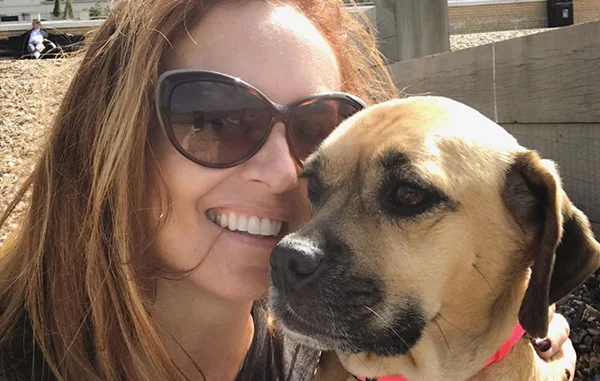
I was born in Lancaster on the northwest coast of England and moved to London at 18. I now live just outside the city with my husband, our two children and our dogs and cats.

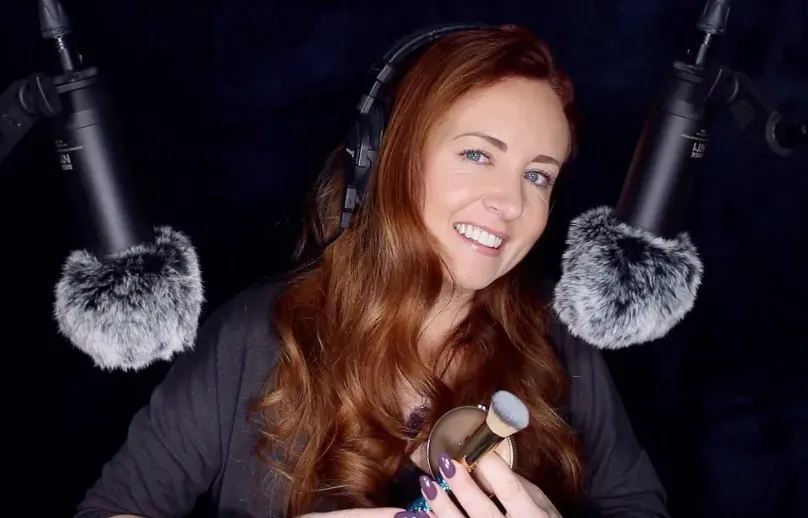
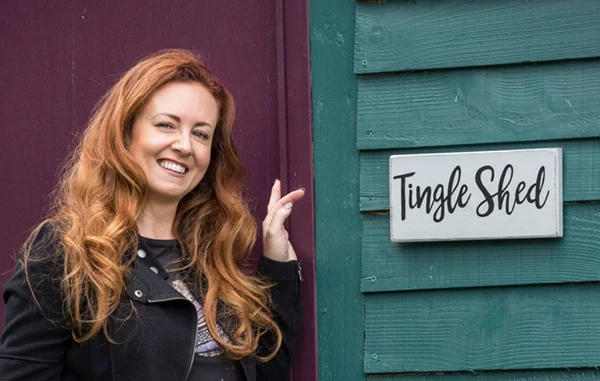
I create ASMR content on YouTube, filming from a soundproof studio in my garden, known as the Tingle Shed.

The Tingles

The ASMR sensation has been part of my life for as long as I can remember.

As a child, I was sensitive, introverted and often lost in daydreams. Over time, the tingles became something familiar. A natural and comforting part of my sensory experience. Whether sitting quietly in class or drifting off to sleep to distant sounds in the house, it was always there.

The Golden Feeling

For many years, I tried to explain the feeling to others, but without a name it was difficult to describe, so I kept it mostly to myself.

Later, I discovered that my younger brother experienced it too. He called it “The Golden Feeling” - a perfect description.

A little more about me

Since 2013, my work has reached millions of people worldwide, becoming part of daily routines for sleep, relaxation and moments of calm.

The YouTube channel has grown into one of the longest-standing platforms in ASMR, underpinned by a body of work spanning video, audio, live experiences and published writing.

In 2012, while living with PTSD, I searched for relaxation videos on YouTube and came across early ASMR and whisper videos.

At first, I didn’t immediately recognise what I was seeing. But after watching a number of different creators and feeling the familiar sensation, I began to understand.

I eventually found Maria (GentleWhispering), who spoke directly about ASMR in a video on reconnecting with the sensation when the ‘tingles’ begin to fade. This confirmed that the videos I had been seeing – often titled “Whisper” or “ASMR” – were created intentionally to evoke the feeling I had experienced all my life.

Realising that this sensation had a name and that others not only experienced it but were actively exploring and sharing it, was life-changing. It marked the beginning of a deeper understanding of myself and of the world around me.

Draw my life by Emma WhispersRed

After several months of watching ASMR videos, I noticed a significant improvement in my sleep and overall wellbeing. I found I could use the sensation intentionally to relax, settle my thoughts, and prepare for rest.

I created a Facebook group ‘ASMR UK & Ireland’ to connect people in the UK who were experiencing ASMR. Then later in 2013 I attended the first in-person ASMR creator meet-up at YouTube Space London UK, organised by Ilse Blansert (TheWaterwhispers).

Becoming a content creator was never something I had imagined for myself. But in order to attend the event, I made the decision to start a YouTube channel.

It was a daunting step – but an important one.

Since beginning in 2013, my work has been part of the early development of ASMR as both a digital medium and an in-person experience.

Alongside online content, I introduced live ASMR sessions and workshops, bringing the experience into shared, physical spaces and exploring its potential beyond the screen.

I also created Dream Away: Sleepy ASMR Songs, the first ASMR music album to combine original songwriting with ASMR sound and trigger-based production – extending the format into a new audio form.

Over time, this work has contributed to shaping how ASMR is understood and experienced, both within the community and more widely.

Development of the medium

My work has been central to the development of ASMR as a hands-on, sensory-led practice. My early videos explored and defined techniques such as skin tracing and treatment-style experiences performed on another person, presenting ASMR as something that can be given, received and shared more directly.

I also introduced the use of sound created directly on and around the microphone, placing it as a central feature within the frame and the sensory experience, an approach that has since become widely adopted within ASMR content.

Public engagement and media

I have spent many years working with press, radio and television, helping to explain ASMR at a time when it was widely misunderstood.

Through regular interviews and features, I contributed to how ASMR has been communicated and understood, both online and in wider public conversation.

This work helped bridge the gap between early ASMR communities and a broader audience, supporting its recognition as a valid and meaningful sensory experience.

Elements of my early work have been recognised within the BFI National Archive, documenting key developments in the evolution of ASMR as a creative and cultural medium.

My approach has also been recognised for its authenticity, consistency and care, contributing to the wider acceptance of ASMR as a meaningful and accessible form of relaxation and connection.

My focus continues to evolve, with an emphasis on in-person work, training and the development of my training Academy, creating a space where ASMR can be understood, practised and shared beyond the screen.

For more personal insights and day-to-day content, you can visit my vlog channel or connect with me on social media.